
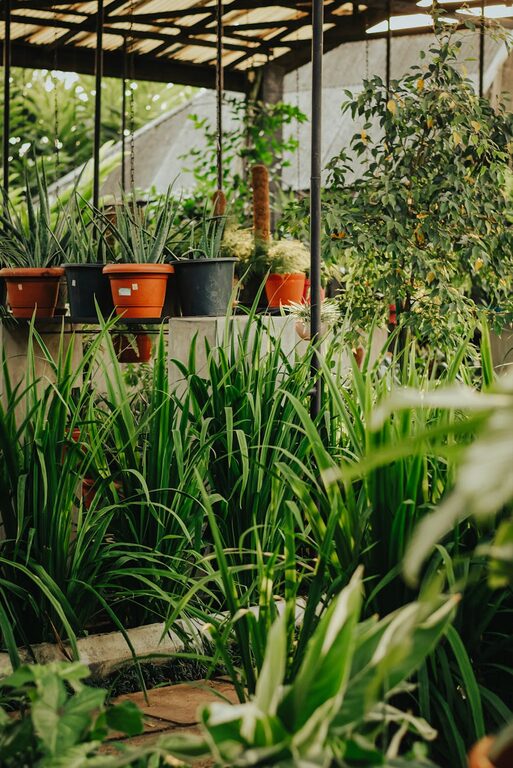
Creating a sustainable home garden that thrives throughout the year is both rewarding and eco-friendly. Whether you have a large backyard or a small balcony, there are practical ways to nurture plants while caring for the environment. This guide provides helpful tips to build and maintain a garden that supports sustainability in every season.
Why Choose a Sustainable Garden?
Sustainable gardening focuses on practices that minimize environmental impact, conserve resources, and support local ecosystems. It helps reduce waste, lowers water and energy consumption, and encourages biodiversity. By planning a sustainable garden, you not only grow healthy plants but also contribute positively to the planet.
Planning Your Garden for Year-Round Growth
A successful sustainable garden starts with thoughtful planning. Consider the following steps:
Select Native and Seasonal Plants
Native plants are adapted to your local climate and soil, which means they require less water, fertilizers, and pesticides. Including a mix of seasonal vegetables, herbs, and flowers keeps your garden productive all year.
– For spring: plant lettuce, spinach, and peas.
– For summer: try tomatoes, peppers, and basil.
– For fall: grow kale, carrots, and broccoli.
– For winter: consider hardy greens and herbs like thyme or rosemary.
Design Your Space Wisely
Maximize sunlight by positioning plants that need most sun in the brightest areas. Consider companion planting to improve pest resistance and soil health. Plan for crop rotation to maintain soil nutrients and reduce disease risks.
Soil Health and Composting
Healthy soil is the foundation of a thriving sustainable garden.
Test and Amend Your Soil
Start by testing your soil’s pH and nutrient levels. Amend it naturally with organic matter like compost, aged manure, or leaf mold to improve texture and fertility.
Start Composting
Composting kitchen scraps and garden waste reduces landfill contribution and provides rich nutrients for your soil. Maintain a compost bin or pile by adding a balance of green (vegetable scraps, grass clippings) and brown materials (dead leaves, shredded paper). Turn it regularly to aerate and speed decomposition.
Water Conservation Techniques
Water efficiency is crucial for sustainability, especially during dry months.
Use Rainwater Harvesting
Collect rainwater using barrels to water your garden, lowering reliance on tap water. Position barrels under downspouts and use a pump or gravity to distribute water.
Mulch Your Garden Beds
A thick layer of organic mulch reduces evaporation, keeps soil cool, and suppresses weeds. Use straw, wood chips, or shredded leaves around plants.
Water Smartly
Water early in the morning or late in the evening to minimize evaporation. Use drip irrigation or soaker hoses to deliver water directly to the roots, reducing wastage.
Natural Pest and Disease Control
Protect your garden from pests without harmful chemicals by encouraging natural balance.
Attract Beneficial Insects
Ladybugs, lacewings, and bees help manage pests while pollinating plants. Grow flowering plants like marigolds, dill, and fennel to attract these helpful insects.
Use Physical Barriers and Manual Removal
Employ row covers, netting, or collars around plants to keep pests away. Regularly inspect plants and remove insects by hand when possible.
Homemade Remedies
Natural sprays made from garlic, neem oil, or mild soap can deter pests safely. Test a small area first to ensure plants tolerate the treatment.
Extending the Growing Season
Sustainable gardeners can enjoy fresh produce beyond typical growing months.
Use Cold Frames and Greenhouses
These structures protect plants from frost and create a warmer microclimate. Portable cold frames can be built from recycled materials and placed over garden beds.
Practice Succession Planting
By staggering seed planting, you can ensure continuous harvests and reduce gaps in production. Remove mature plants promptly to make room for new seedlings.
Grow Perennials and Edibles that Withstand Cold
Plant perennial herbs like chives and thyme, or cold-tolerant vegetables that return each year with minimal care.
Seasonal Maintenance and Cleanup
Keeping your garden tidy and healthy supports sustainability.
– Remove dead plants and fallen leaves to prevent diseases.
– Prune shrubs and trees to encourage growth.
– Cover soil with mulch after harvest to protect against erosion.
– Store seeds from healthy plants for future planting.
Tips for Small Spaces
Even if you lack a large garden, sustainability is still achievable.
– Use containers or vertical planters to maximize space.
– Choose dwarf or compact plant varieties.
– Reuse household items like old buckets or pallets for planting.
– Focus on herbs and leafy greens that grow well in pots.
Final Thoughts
A sustainable home garden is a continuous project that supports environmental care, provides fresh, homegrown food, and brings joy throughout the year. By planning wisely, conserving water, enriching soil naturally, and fostering biodiversity, you can create a garden that’s both productive and kind to the planet.
Garden season after season, and enjoy the rewards of your sustainable efforts!