
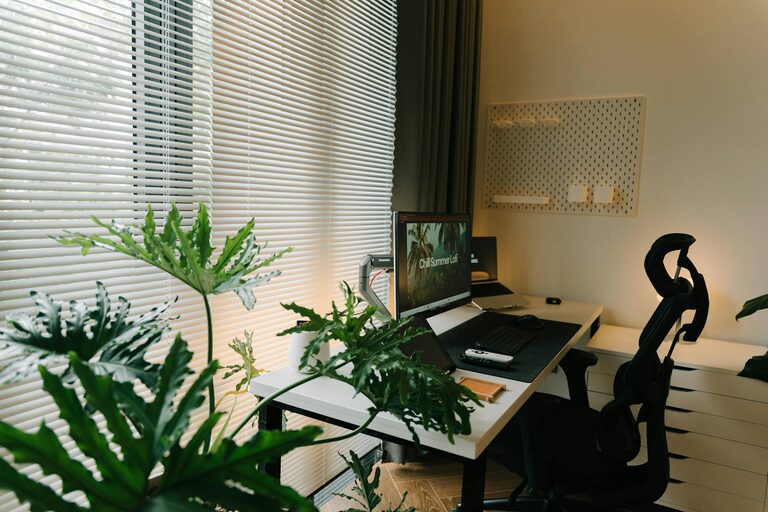
Creating a home office that promotes both comfort and productivity is essential for anyone working remotely or running a business from home. The right workspace can improve focus, reduce stress, and make work hours more enjoyable. Whether you have a dedicated room or just a small corner, these tips will help you set up an efficient and pleasant home office.
Choosing the Right Location
Picking the best spot for your home office lays the foundation for success.
– Quiet and private area: Select a space where you can focus without constant interruptions.
– Natural light: Position your desk near a window to benefit from daylight, which can boost mood and energy.
– Ventilation: Good airflow keeps the room fresh and helps maintain alertness.
– Space for equipment: Make sure there’s enough room for your computer, printer, storage, and other tools you need.
Ergonomic Furniture and Setup
Comfort is key to avoiding fatigue and discomfort during long work hours.
– Ergonomic chair: Invest in a chair with adjustable height, lumbar support, and comfortable padding.
– Desk height: Your desk should allow you to keep your forearms parallel to the floor when typing.
– Monitor placement: Position your screen at eye level, about an arm’s length away, to prevent neck strain.
– Keyboard and mouse: Use ergonomic devices if possible and place them within easy reach.
Organizing Your Workspace
A tidy and organized space can minimize distractions and increase efficiency.
– Declutter regularly: Keep only essential items on your desk to reduce visual noise.
– Storage solutions: Use shelves, drawers, and organizers to store documents and supplies out of sight.
– Cable management: Use clips or sleeves to keep cords neat and prevent tangling.
– Essential tools: Keep frequently used items close at hand to save time.
Lighting for Comfort and Focus
Proper lighting reduces eye strain and creates a welcoming atmosphere.
– Balanced lighting: Combine natural light with task lighting such as desk lamps.
– Adjustable lamps: Choose lights with adjustable intensity and direction.
– Avoid glare: Position screens to avoid reflections from windows or overhead lights.
Personalizing Your Space
Adding personal touches can make your office feel inviting and motivating.
– Decor: Use artwork, plants, or inspirational quotes that make you feel good.
– Colors: Choose calming colors like blues or greens or those that stimulate creativity, depending on your preference.
– Comfort items: Include a cozy blanket, cushion, or your favorite mug for breaks.
Establishing Boundaries Between Work and Home
Clear boundaries can help you separate work time from personal time.
– Defined workspace: Keep work materials confined to the designated office area.
– Set work hours: Create a schedule and stick to it to avoid overworking.
– Signal availability: Use signs or simple cues to let family members know when you’re busy.
Incorporating Technology Wisely
Technology is essential but can also be distracting if not managed properly.
– Reliable internet: Ensure your connection supports video calls and file sharing.
– Backup power: Consider a UPS or surge protector to safeguard your equipment.
– Productivity tools: Use apps for task management, note-taking, and communication.
– Minimize distractions: Turn off unnecessary notifications and focus modes during work time.
Taking Breaks and Moving Around
Physical movement helps refresh your mind and body.
– Regular breaks: Follow techniques like the Pomodoro method (25 minutes work, 5 minutes break).
– Stretching: Incorporate simple stretches to reduce tension.
– Changing posture: Stand or use a sit-stand desk if possible to alternate positions.
Keeping Your Office Clean
A clean environment supports mental clarity.
– Daily tidying: Spend a few minutes at the end of each day organizing your space.
– Sanitizing: Wipe down surfaces regularly, especially your keyboard and mouse.
– Air quality: Use air purifiers or keep plants to improve air quality naturally.
—
By thoughtfully designing your home office with these tips, you can create a space that supports your health, concentration, and productivity every day. The key is to tailor the setup to your unique needs and preferences, making work feel less like a chore and more like a fulfilling part of your routine.