
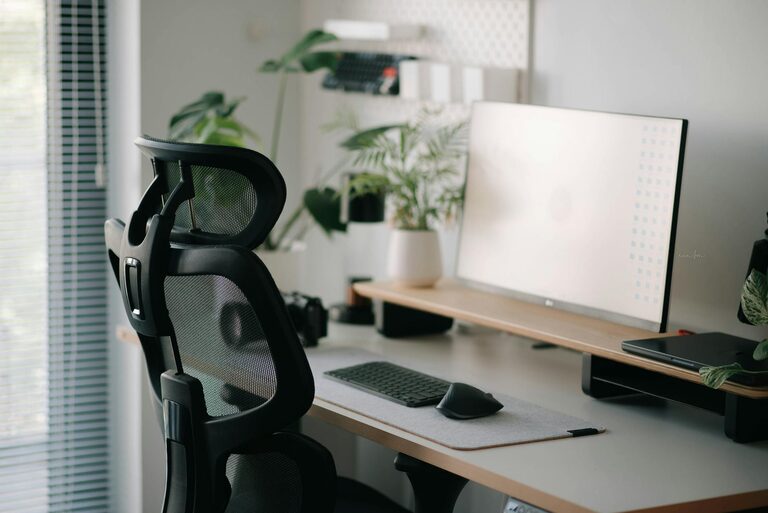
Creating a relaxing home workspace is essential for boosting productivity and maintaining comfort while working remotely. When your workspace feels calm and organized, it not only reduces stress but also helps you stay focused and motivated. Whether you have a dedicated room or a small corner of your home, these tips can help you design an enjoyable and efficient workspace.
Choose the Right Location
The first step to creating a relaxing workspace is deciding where to set up. Ideally, select a quiet area with minimal distractions. If possible, avoid high-traffic zones in your home, like the kitchen or living room, where noise and interruptions are common.
Consider Natural Light
Natural light can significantly impact your mood and productivity. Position your desk near a window to enjoy daylight, which helps reduce eye strain and keep your energy levels up. If natural light is limited, invest in a quality desk lamp that mimics daylight to maintain a bright and inviting environment.
Invest in Comfortable Furniture
Comfort is crucial for staying productive over long periods. Choosing the right furniture can prevent physical discomfort and promote better posture.
Ergonomic Chair
An ergonomic chair supports your lower back and encourages good posture. Look for adjustable features such as height, lumbar support, and armrests to customize the chair to your body.
Desk Height and Space
Make sure your desk is at a comfortable height for typing and using your mouse. It’s important to have enough surface space to keep your work essentials organized without feeling cramped.
Keep Your Space Organized
Clutter can cause stress and distract you from your tasks. Keeping your workspace tidy helps create a peaceful atmosphere and allows you to focus more effectively.
Use Storage Solutions
Incorporate shelves, drawers, or file organizers to keep documents and supplies neat and within reach. Label containers or folders to make it easier to find what you need quickly.
Minimalist Approach
Try to keep only the essentials on your desk. A clean surface encourages a calm mindset and prevents overwhelm.
Personalize Your Environment
Adding personal touches to your workspace makes it feel inviting and motivates you to spend time there.
Add Greenery
Plants not only brighten up your space but also improve air quality and reduce stress. Choose easy-to-care-for varieties like succulents or spider plants.
Inspirational Decor
Incorporate meaningful artwork, photos, or motivational quotes that inspire you. However, avoid overdecorating to maintain a clean, distraction-free zone.
Manage Noise Levels
Noise can disrupt concentration and increase stress. Finding ways to manage sound is key to a relaxing workspace.
Use Noise-Canceling Headphones
If you’re in a noisy environment, noise-canceling headphones can help block background sounds and improve focus.
Soft Sounds
Some people find playing soft background music or nature sounds helps create a soothing atmosphere. Experiment to see what works best for you.
Maintain Good Air Quality and Temperature
A fresh and comfortable room environment contributes to your overall well-being and productivity.
Ventilation
Open windows to allow fresh air to circulate when possible. Consider an air purifier if your workspace tends to feel stuffy or if allergies are an issue.
Temperature Control
Keep the room at a comfortable temperature, not too hot or cold. Adjust with a fan, heater, or thermostat as needed during different seasons.
Set Boundaries and Routine
Creating a relaxing workspace also means mentally separating work from personal life.
Establish Work Hours
Set regular work hours, and communicate these boundaries to family or housemates. This helps reduce interruptions and sets clear expectations.
Take Breaks
Schedule short breaks throughout your workday to stretch, move around, and rest your eyes. These pauses can refresh your mind and improve productivity.
Utilize Technology Wisely
The tools you use can make or break your work experience.
Reliable Equipment
Ensure your computer, internet connection, and other devices are dependable. Technical disruptions can create frustration and reduce efficiency.
Cable Management
Use cable organizers to keep cords tidy and prevent a messy workspace.
—
Creating a relaxing and productive home workspace takes some planning and effort, but the benefits are well worth it. A calm, comfortable environment supports your well-being and helps you get your best work done every day. With these tips, you can transform any space into an inspiring home office.